
Do Vermont ATVs and UTVs Need Insurance?
Ryan Moore
Oct 01 2026 16:00
Quick Summary:
Yes—ATVs and UTVs often need their own insurance policy in Vermont, especially when they are registered and operated in places where Vermont requires liability coverage. Snowmobiles used on the VAST trail network also need liability insurance as part of trail access requirements, while ATV and UTV trail access follows the separate VASA system and applicable local rules. A dedicated recreational vehicle policy can protect more than liability alone, including the machine itself, certain accessories, and losses that a home or auto policy may not cover.
For riders in Derby, VT and across the Northeast Kingdom, the right answer depends on the machine, where it is ridden, how it is registered, and whether it is stored or used seasonally. Taylor-Moore Agency can help you sort through those details before the first trail day.
Why an ATV or UTV Usually Needs Its Own Policy
It is easy to assume that a homeowners or auto policy automatically protects an ATV, side-by-side, UTV, or other off-road vehicle. That assumption can leave a costly gap. Home policies commonly limit or exclude liability and physical-damage coverage for motorized recreational vehicles away from the insured property. Auto insurance is written for registered road vehicles and generally should not be expected to cover an off-road machine simply because it is stored in the garage.
A separate ATV & UTV Insurance
policy is designed around the risks of ownership and operation. Depending on the carrier and policy selected, that can include bodily injury and property-damage liability, collision coverage, comprehensive coverage for losses such as theft or fire, medical payments, uninsured or underinsured motorist protection, and coverage for eligible accessories or equipment.
Liability protection is especially important because an accident can involve another rider, passenger, landowner, fence, parked vehicle, or trail structure. Even a slow-speed crash can cause a serious injury or expensive property damage. Taylor-Moore Agency helps riders in Derby, VT choose limits that fit the machine, their assets, and the way they ride—not just the minimum needed to get underway.
Vermont Liability Requirements for ATVs and UTVs
Vermont law requires financial responsibility when an ATV must be registered in order to be lawfully operated. The required minimum liability limits are $25,000 for injury or death to one person, $50,000 for injury or death to two or more people, and $10,000 for property damage in one crash. Owners may meet the requirement through a qualifying liability policy, bond, or approved self-insurance.
Those limits are a legal starting point, not necessarily a comfortable level of protection. Medical costs and property repairs can exceed minimum limits quickly. Riders should also remember that liability insurance does not pay to repair their own ATV or UTV after a collision, rollover, theft, or weather loss unless they have chosen physical-damage protection.
Registration, helmet requirements, safety rules, landowner permission, and trail-access rules can vary based on where and how a machine is used. Before riding, confirm the current requirements with the Vermont Department of Motor Vehicles, the relevant trail organization, and any local authority or landowner. Insurance supports responsible riding, but it does not replace registration, safety training, permission, or compliance with trail rules.
VAST Trails and VASA Trails Are Not the Same
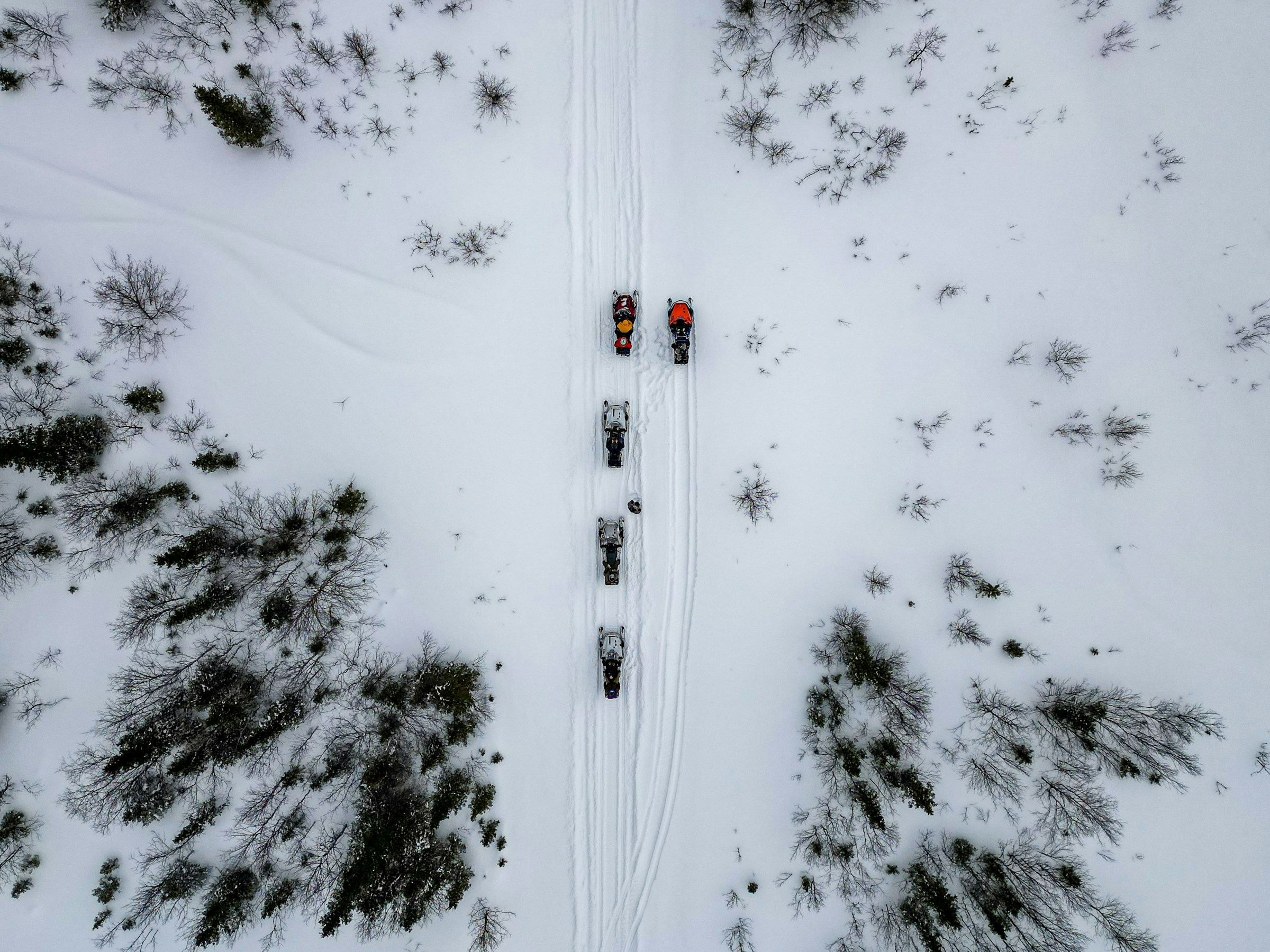
“Trail riding in Vermont” can mean different systems. The Vermont Association of Snow Travelers, or VAST, maintains the statewide snowmobile trail system for winter riding. A sled using VAST trails needs the appropriate registration, trail access, and liability insurance under VAST requirements. VAST trail access is for snowmobiles during the winter trail season; it is not general access for ATVs or UTVs.
ATV and UTV riders should look to the Vermont ATV Sportsman’s Association, commonly known as VASA, as well as the rules for the specific trail network, town, or landowner. An ATV or UTV should never be taken onto a trail simply because it appears open or because a snowmobile route uses the same corridor in winter. Permission, trail designations, decals, seasonal closures, and vehicle restrictions matter.
For anyone who owns more than one recreational machine—a snowmobile for VAST-network riding and a side-by-side for permitted warm-weather trails—it may make sense to review all vehicles together. Taylor-Moore Agency can help make sure every machine has the liability and physical-damage protection appropriate to its actual use.
What Physical-Damage Coverage Can Protect
Liability coverage protects you when you are legally responsible for injury or damage to others. Physical-damage coverage protects your own machine, subject to the deductible and policy terms. Collision coverage can help after an impact or rollover. Comprehensive coverage can help with certain non-collision losses, such as theft, fire, vandalism, falling objects, and weather-related damage.
This protection can be particularly valuable for newer side-by-sides, customized ATVs, and machines with plows, winches, enclosed cabs, upgraded tires, trailers, or other equipment. Ask how your policy treats accessories and aftermarket additions; some may have limited automatic coverage or require specific scheduling. Keep purchase records, serial numbers, photos, and receipts in a safe place so you have documentation if a loss occurs.
Recreational vehicle coverage may also be useful for snowmobiles, travel trailers, campers, golf carts, and other specialty vehicles. Visit Taylor-Moore Agency’s Recreational Vehicles
page to explore the broader protection options available for your household.
Seasonal Storage Still Comes With Risk
The end of riding season does not eliminate insurance concerns. Theft, fire, storm damage, fallen trees, vandalism, and accidental damage can happen while an ATV, UTV, or snowmobile is parked. If you remove physical-damage protection to save money, you may have no coverage for those types of losses during storage.
Before putting a machine away, clean it, follow manufacturer guidance for fuel and battery care, secure it in a locked building when possible, and store keys separately. Photograph the vehicle and accessories, update your inventory, and make sure the vehicle identification number is recorded accurately. If the machine is financed, check lender requirements before changing any coverage.
Some carriers offer seasonal rating or allow riders to adjust coverage based on use. However, reducing liability or physical-damage protection should be a deliberate decision based on the dates, storage location, financing, and remaining risk—not an automatic annual habit. Taylor-Moore Agency can explain the options available for your policy.
How to Choose the Right Limits Before You Ride
Start with the legal requirements, then look at the real exposure. Consider who will operate the machine, whether you carry passengers, the type of terrain you use, the value of the vehicle and accessories, and whether you have savings, property, or future income that could be affected by a liability claim. Higher limits and an umbrella policy may be worth discussing for some households.
Also be candid about how the vehicle is used. Personal trail riding, farm use, hunting access, plowing, business use, rentals, and carrying workers can create very different insurance needs. A personal recreational policy may not fit a machine used in a business or farm operation, so tell your agent how the ATV or UTV is actually used.
FAQ
Do I need insurance for an ATV or UTV on my own property?
Coverage needs and legal requirements can depend on the location and use. Even where liability coverage is not legally required, a separate policy may protect against theft, damage, or liability arising from an accident.
Does VAST require snowmobile liability insurance?
Yes. VAST trail access materials require each snowmobile using the statewide snowmobile trail system to carry liability insurance, along with applicable registration and trail access.
Can I ride my UTV on VAST trails?
No. VAST is a snowmobile trail network. ATV and UTV access is governed separately through VASA, local rules, and landowner permission.
Does ATV insurance cover theft from my garage?
Comprehensive coverage may help with theft, subject to the policy’s terms and deductible. A basic liability-only policy would not cover damage to or theft of your own machine.
Should I keep insurance on my ATV or UTV in storage?
Often, yes. Seasonal storage still creates risks such as theft, fire, and storm damage. Review your options before making coverage changes.
Before riding season begins, request a recreational vehicle quote from Taylor-Moore Agency in Derby, VT and head for the trail with coverage built for how you ride.